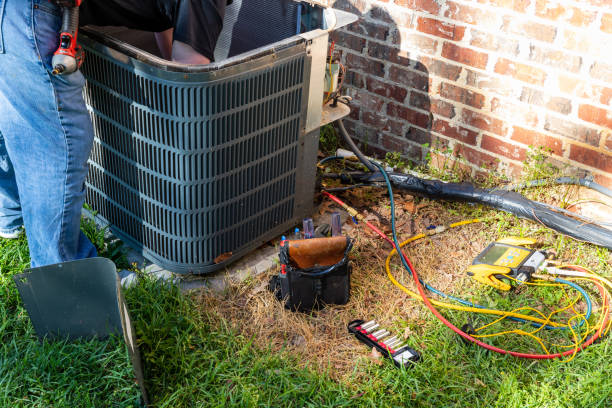
Smart Steps for Managing Air Conditioning Repairs Without Surprises
Assess the big picture before calling for help by clarifying symptoms, age of the system, and any recent changes in usage. A short log of noises, error codes, and performance dips helps define scope. In practice, this background trims guesswork and allows a technician to zero in faster. Consider how the space is used daily, since occupancy and heat load patterns can surface problems that appear intermittent.
Meanwhile, map priorities: safety, comfort, energy impact, and budget. Safety covers electrical concerns and condensate management; comfort speaks to airflow balance and temperature stability. Energy impact ties to efficiency losses from dirty coils or weak refrigerant charge. Budget planning is about limiting repeat visits by bundling small fixes. Often, investing in a thorough diagnostic early makes subsequent decisions clearer and more controlled.
Then, verify airflow fundamentals before chasing complex faults. Replace or clean filters, inspect supply and return paths, and check that vents and dampers are open and unobstructed. Beyond that, look for crushed flex duct, blocked returns, or a failing blower capacitor. These baseline checks stabilize the system and inform whether AC repair should address deeper electrical, refrigerant, or control issues.
However, time your service strategically. Shoulder seasons can be practical for non-urgent work because demand may be lower, allowing more flexible scheduling. During extreme weather, consider temporary measures like zoning adjustments to buffer comfort while awaiting parts. Sequence tasks so diagnostics happen first, followed by immediate safety fixes, and finally performance optimization once the system’s core operation is validated.
Next, define expectations around installation and maintenance decisions that follow a repair. Sometimes a part replacement is a bridge to a future upgrade; other times, it resolves the root cause fully. Document model numbers, refrigerant type, and warranty terms. Capture any static pressure readings or temperature splits from the visit, since those snapshots help validate future performance and reduce redundant testing later.
Beyond that, align with building constraints and compliance. Check electrical capacity, condensate routing, and any local code requirements related to disconnects or clearances. For multi-tenant or commercial spaces, confirm access windows and noise constraints to minimize disruption. Stage any materials that might be needed, like filters and drain tablets, so routine upkeep doesn’t stall. Small readiness steps can shave hours off service time.
Often, moisture control points reveal hidden issues. Inspect drain traps, pans, and line pitches; a slight sag can cause recurring clogs. Calibrate thermostat settings, sensor placement, and schedules to reduce short cycling, which strains components. Validate that coil surfaces are clean enough to exchange heat efficiently. If cleaning is required, phase it after electrical checks so you don’t mask a failing contactor or relay.
Additionally, keep an eye on lifecycle signals. Loud compressor starts, rising utility bills, or uneven rooms may indicate declining efficiency. Buffer your budget by planning for phased upgrades, such as smarter controls first, followed by duct sealing later. When comparing options, request clarity on parts availability and lead times. That transparency helps avoid mid-season downtime and prevents unplanned comfort losses.
Finally, choose a vendor fit that suits your property type and expectations. Residential and light commercial needs differ in staging, access, and after-hours coverage. Ask about how they document findings, whether they share photos, and how they track recurring faults. A provider who explains tradeoffs and sequences work logically makes decisions less stressful and supports long-term reliability without overcommitting to unnecessary replacements.
Ultimately, treat every service visit as a learning opportunity. Inspect what changed, refine setpoints, and maintain a simple record of outcomes. Over time, those notes anchor faster troubleshooting and better planning. When you combine disciplined observations with timely service, the air conditioning repair service process becomes predictable, costs stabilize, and comfort stays consistent through seasonal swings.